Introduction
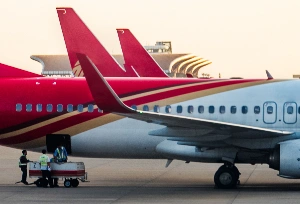
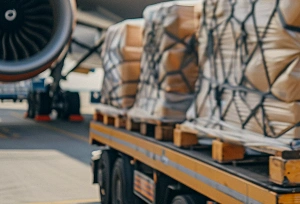
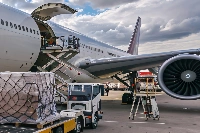
Air freight refers to the transportation of goods by aircraft across domestic and international routes. It is a core component of global logistics, enabling the rapid movement of cargo between continents, supply chains, and markets.
Unlike surface transport methods, air freight operates within a tightly coordinated system that includes airlines, airports, freight forwarders, customs authorities, and regulatory bodies. The process is governed by standardized procedures and international frameworks that ensure safety, compliance, and efficiency.
Air cargo is typically used when speed, reliability, or cargo value justifies higher transportation costs compared to alternatives such as sea freight.
Definition of Air Freight
Air freight is the movement of goods via aircraft, using either:
- Dedicated cargo aircraft (freighters)
- Passenger aircraft with cargo stored in the belly hold
The system is structured around global aviation standards defined by organizations such as the International Air Transport Association and the International Civil Aviation Organization.
These frameworks regulate safety, documentation, handling procedures, and operational practices across international air cargo networks.
How Air Freight Fits into Global Logistics
Air freight operates as part of a broader supply chain system, connecting manufacturers, distributors, and end users across international markets.
It is commonly used for:
- Time-sensitive shipments
- High-value goods (electronics, pharmaceuticals, luxury items)
- Perishable products requiring controlled environments
- Critical spare parts and industrial components
Compared to other modes, air freight offers:
- Faster transit times
- Higher reliability in scheduling
- Global reach through interconnected airport networks
However, these advantages come with higher costs and stricter operational requirements.
Types of Air Freight
Air freight is not a single service model. It includes several categories based on urgency, cargo type, and handling requirements.
1. Express Air Freight
Used for urgent shipments requiring the fastest possible delivery, often within 24–48 hours.
2. Standard Air Freight
Balances cost and speed, typically using scheduled airline services.
3. Consolidated Freight
Multiple shipments combined into a single load to optimize cost efficiency.
4. Charter Services
Entire aircraft booked for specific shipments, often used for oversized, urgent, or specialized cargo.
Key Components of Air Freight
1. Freight Forwarders
Freight forwarders coordinate shipments, manage documentation, and arrange transportation. They act as intermediaries between shippers and airlines.
2. Airlines and Carriers
Airlines provide cargo space and operate routes between airports worldwide.
3. Airports and Cargo Terminals
Airports function as hubs where cargo is handled, sorted, and transferred between flights.
4. Customs Authorities
Customs agencies regulate the movement of goods across borders, ensuring compliance with import and export laws.
Air Freight Documentation
Documentation is a critical part of air freight operations.
The primary document is the air waybill (AWB), which functions as:
- A contract between shipper and carrier
- A receipt of goods
- A tracking reference
Additional documents may include:
- Commercial invoice
- Packing list
- Certificates of origin
- Import/export declarations
These documents align with global trade standards influenced by organizations such as the World Trade Organization and the International Chamber of Commerce.
How Air Freight Pricing Works
Air freight pricing is based on chargeable weight, which considers:
- Actual weight of the cargo
- Volumetric (dimensional) weight
The higher of the two is used to calculate cost.
Other pricing factors include:
- Fuel surcharges
- Security fees
- Handling charges
- Route and distance
- Seasonal demand and capacity
Pricing structures reflect supply and demand dynamics within global air cargo networks.
Advantages of Air Freight
- Fastest method for international shipping
- Reliable scheduling compared to sea transport
- Reduced risk of damage due to shorter transit time
- Global connectivity through major airport hubs
Limitations of Air Freight
- Higher cost compared to sea freight
- Weight and size limitations
- Strict regulations for certain goods
- Sensitivity to capacity constraints and market fluctuations
Air Freight vs Other Transport Modes
Air freight differs from other logistics methods primarily in speed and cost.
Compared to sea freight:
- Air freight is faster but more expensive
- Sea freight is more economical for large volumes
Compared to land transport:
- Air freight enables international long-distance shipping
- Land transport is limited to regional or continental routes
Each mode serves different logistics requirements depending on urgency, cost, and cargo type.
Global Air Freight Network
Air cargo moves through a network of international airports, airlines, and logistics providers.
Major cargo hubs facilitate:
- Cargo consolidation and distribution
- Transfers between flights
- Integration with ground transportation systems
These networks allow goods to move efficiently across continents, connecting supply chains in real time.
Conclusion
Air freight is a critical component of global trade, enabling fast and reliable movement of goods across international markets. It operates through a structured system involving multiple stakeholders, standardized processes, and regulatory frameworks.
Understanding how air freight functions—its pricing, operations, and limitations—provides a clearer view of how global logistics systems operate and how cargo moves efficiently across the world.