Introduction
Air cargo handling is the operational backbone of air freight. It defines how shipments move within airport environments, from initial acceptance to aircraft loading and onward transfer. Unlike general logistics descriptions, this process is governed by strict aviation standards, safety protocols, and time-sensitive coordination.
Every shipment entering an airport cargo terminal must pass through structured handling stages designed to ensure security, accuracy, and efficiency across global air transport networks.
1. Cargo Acceptance at Origin Terminal
The handling process begins when cargo is delivered to the airline’s cargo terminal or ground handling facility.
At this stage:
- Shipment documentation is verified
- Weight and dimensions are checked
- Packaging is inspected for compliance
Cargo that does not meet required standards may be rejected or held for correction. Acceptance procedures follow guidelines established by the International Air Transport Association.
2. Documentation Verification
Before physical handling continues, all documentation must be validated.
This includes:
- Air Waybill (AWB)
- Commercial invoice
- Packing list
- Export declarations
Documentation ensures traceability and compliance with customs and regulatory authorities. Errors at this stage can delay the entire shipment process.
3. Security Screening
Air cargo is subject to strict security checks before being loaded onto an aircraft.
Screening methods include:
- X-ray scanning
- Explosive detection systems
- Physical inspection (if required)
Security procedures are aligned with international aviation safety standards defined by the International Civil Aviation Organization.
Shipments that fail screening are removed from the process until compliance is achieved.
4. Cargo Weighing and Dimension Confirmation
Cargo is re-measured at the terminal to confirm:
- Actual weight
- Dimensions for volumetric calculation
This step ensures accurate chargeable weight and proper load planning. Any discrepancy between declared and actual measurements may result in adjustments to pricing and documentation.
5. Build-Up into Unit Load Devices (ULDs)
Once cleared, cargo is prepared for loading into Unit Load Devices (ULDs).
ULDs are standardized containers or pallets used in aircraft cargo holds. The build-up process includes:
- Consolidating multiple shipments
- Securing cargo with nets or straps
- Arranging weight distribution
Proper ULD configuration is critical for aircraft balance and safety.
6. Storage and Staging
After build-up, cargo is stored temporarily in the terminal before flight departure.
Storage conditions vary based on cargo type:
- General cargo stored in standard zones
- Perishable goods kept in temperature-controlled areas
- Dangerous goods isolated in designated sections
Cargo is staged according to flight schedules, ensuring timely transfer to the aircraft.
7. Ramp Transfer and Aircraft Loading
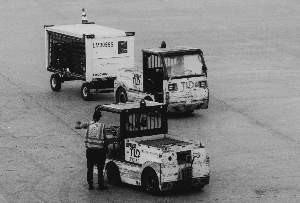
Cargo is transported from the terminal to the aircraft using specialized ground support equipment.
This stage involves:
- Transfer via dollies or transport vehicles
- Positioning near the aircraft
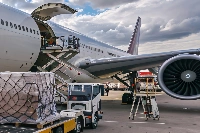
- Loading into cargo holds using high-loaders
Loading follows strict weight distribution and safety guidelines to maintain aircraft balance.
8. In-Transit Handling (For Connecting Flights)
For shipments requiring transfer through hub airports:
- Cargo is unloaded upon arrival
- Sorted based on destination
- Rebuilt into new ULDs if necessary
Transit handling efficiency directly affects overall delivery time.
Major cargo hubs play a critical role in facilitating these transfers across global networks.
9. Arrival Handling at Destination Airport
Upon arrival, the handling process is repeated in reverse:
- Cargo is unloaded from the aircraft
- Transferred to the cargo terminal
- Checked against documentation
At this stage, shipments enter the import processing phase.
10. Import Handling and Release
Cargo is prepared for customs clearance and final delivery.
Handling activities include:
- Breakdown of ULDs
- Sorting by consignee
- Storage pending customs release
Once cleared, cargo is released for pickup or last-mile delivery.
Special Handling Categories
Certain types of cargo require additional procedures:
Perishable Goods
Stored in temperature-controlled environments to maintain product integrity.
Dangerous Goods
Handled according to strict safety protocols, including segregation and labeling.
Live Animals
Require specialized care, ventilation, and monitoring.
High-Value Cargo
Stored in secure facilities with restricted access.
Key Factors Affecting Handling Efficiency
- Accuracy of documentation
- Packaging quality and compliance
- Airport infrastructure and capacity
- Coordination between handlers, airlines, and forwarders
- Flight schedules and transit timing
Inefficiencies in any of these areas can lead to delays, additional costs, or operational disruptions.
Role of Ground Handling Agents
Ground handling agents manage most cargo handling activities at airports.
Their responsibilities include:
- Cargo acceptance and processing
- Security screening
- ULD build-up and breakdown
- Aircraft loading and unloading
They operate under airline contracts and must comply with international aviation standards.
Conclusion
Air cargo handling is a structured process that ensures cargo moves safely and efficiently through airport systems. Each stage—from acceptance and screening to loading and delivery—plays a critical role in maintaining the integrity and reliability of air freight operations.
Understanding this process provides visibility into how shipments are managed within airports and highlights the operational precision required to move cargo across global air transport networks.