Introduction
Air freight pricing is not a single rate. It is a layered structure made up of multiple components, each reflecting a specific part of the logistics process. The final cost of a shipment depends on how capacity is priced, how cargo is handled, and how it moves through international systems.
Understanding these cost elements is essential for identifying where money is spent, where inefficiencies occur, and how pricing can be optimized.
1. Base Air Freight Rate
The base rate is the core cost of transporting cargo by air. It is calculated using the chargeable weight of the shipment and a rate per kilogram.
This rate is influenced by:
- Route (origin and destination)
- Airline capacity and demand
- Type of service (express, standard, deferred)
- Market conditions and seasonality
Airlines set these rates based on supply and demand across global air cargo networks, following pricing structures aligned with the International Air Transport Association.
2. Fuel Surcharge
Fuel is one of the largest cost drivers in aviation. To manage price volatility, airlines apply a fuel surcharge in addition to the base rate.
This surcharge:
- Fluctuates based on global fuel prices
- Is applied per kilogram of chargeable weight
- Varies by airline and route
It ensures that airlines can adjust pricing without constantly changing base rates.
3. Security Surcharge
Air cargo must comply with strict aviation security requirements. A security surcharge covers:
- Screening procedures (X-ray, inspection)
- Compliance with international safety regulations
- Risk management and cargo monitoring
Security standards are defined under frameworks established by the International Civil Aviation Organization.
4. Terminal Handling Charges (THC)
Terminal handling charges apply at both origin and destination airports.
These include:
- Cargo acceptance and processing
- Storage within the terminal
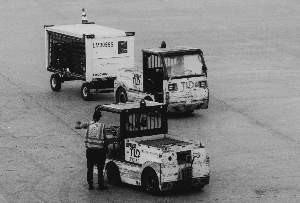
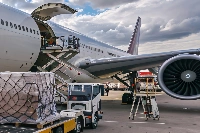
- Loading and unloading operations
- Documentation handling
These charges are applied by ground handling agents and airport facilities.
5. Air Waybill (AWB) Fee
The air waybill is the primary transport document in air freight.
The AWB fee covers:
- Documentation processing
- System entry and tracking setup
- Contract issuance between shipper and carrier
Although relatively small compared to other charges, it is a mandatory component of every shipment.
6. Customs Clearance Costs
Customs clearance is required for both export and import shipments.
Costs may include:
- Customs brokerage fees
- Documentation processing
- Duties and taxes (depending on cargo and country)
These processes are governed by international trade frameworks influenced by organizations such as the World Trade Organization and the International Chamber of Commerce.
7. Pickup and Delivery (Trucking Costs)
Air freight does not begin or end at the airport. Ground transportation is required for:
- Pickup from the shipper’s location
- Delivery to the consignee
Costs depend on:
- Distance from the airport
- Cargo size and weight
- Type of vehicle required
These costs are often referred to as first-mile and last-mile logistics.
8. Screening and Compliance Fees
Certain shipments require additional checks, including:
- Physical inspections
- Dangerous goods verification
- Specialized documentation review
Dangerous goods must comply with strict regulations, and additional fees may apply for handling and certification.
9. Storage Charges
Storage fees may apply if cargo is held at the airport due to:
- Delayed documentation
- Customs clearance issues
- Missed flight connections
Charges are typically calculated per day and increase over time.
10. Peak Season and Capacity Surcharges
During periods of high demand, airlines may apply additional surcharges.
Common peak periods include:
- Holiday seasons
- Major global trade cycles
- Capacity shortages due to disruptions
These surcharges reflect limited space and increased demand for air cargo services.
11. Special Handling Fees
Some types of cargo require specialized handling, including:
- Perishable goods requiring temperature control
- Pharmaceuticals with strict compliance requirements
- Oversized or heavy cargo
- High-value shipments requiring additional security
These services increase operational complexity and cost.
Hidden Cost Drivers
Beyond visible charges, several factors can increase total air freight cost:
- Inefficient packaging increasing volumetric weight
- Incorrect documentation causing delays
- Reweighing and remeasurement at the airport
- Route inefficiencies or multiple transit points
These factors often result in unexpected expenses.
How Costs Are Structured Together
The total air freight cost is the combination of:
- Base rate (chargeable weight × rate per kg)
- Fuel surcharge
- Security and handling fees
- Documentation and customs costs
- Ground transportation
Each component reflects a specific part of the logistics chain, from origin to final delivery.
Cost Optimization Strategies
- Reduce volumetric weight through efficient packaging
- Consolidate shipments where possible
- Ensure accurate documentation to avoid delays
- Plan shipments outside peak seasons when feasible
- Work with experienced logistics coordinators
Optimizing cost is not about reducing one fee, but improving efficiency across the entire process.
Conclusion
Air freight cost is a structured system made up of multiple interconnected charges. Each component reflects how cargo moves through airline networks, airports, and regulatory systems.
Understanding this breakdown provides visibility into where costs originate and how they can be managed. Accurate planning, efficient packaging, and proper documentation are the key factors that determine whether air freight operates at optimal cost or becomes unnecessarily expensive.