Introduction
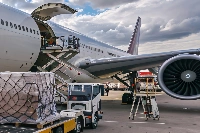
Air freight is often defined by speed, but speed is only the outcome of a structured system. Behind every shipment is a coordinated network where capacity, timing, pricing, and compliance determine how cargo moves across international routes. Airlines, cargo terminals, freight forwarders, and customs authorities operate within tightly controlled frameworks to ensure that goods move efficiently and predictably.
What makes air freight complex is not the movement itself, but the decisions that shape it. From how cargo is measured and priced to how it is handled and documented, each stage directly influences cost, transit time, and reliability.
How Air Freight Works
Air freight follows a defined process that begins with planning and ends with final delivery. Each shipment moves through a sequence of operational stages designed to ensure efficiency and compliance.
The process includes:
- Booking and capacity planning
- Cargo acceptance and screening
- Aircraft loading and air transport
- Arrival handling and customs clearance
For a detailed breakdown of each stage, see: How Air Freight Works
These steps are governed by operational standards set by the International Air Transport Association and safety frameworks from the International Civil Aviation Organization.
Understanding Air Freight Pricing
Pricing in air freight is not fixed. It is calculated based on how cargo occupies both weight and space within an aircraft.
The key concept is chargeable weight, which determines how shipments are billed. Airlines compare actual weight with volumetric weight and apply the higher value.
To understand how this impacts cost, see: Chargeable Weight Explained
Air freight costs also include multiple components beyond the base rate.
A full breakdown is covered here: Air Freight Cost Breakdown
Small inefficiencies in packaging or measurement can significantly increase total cost.
Cargo Handling and Operational Flow
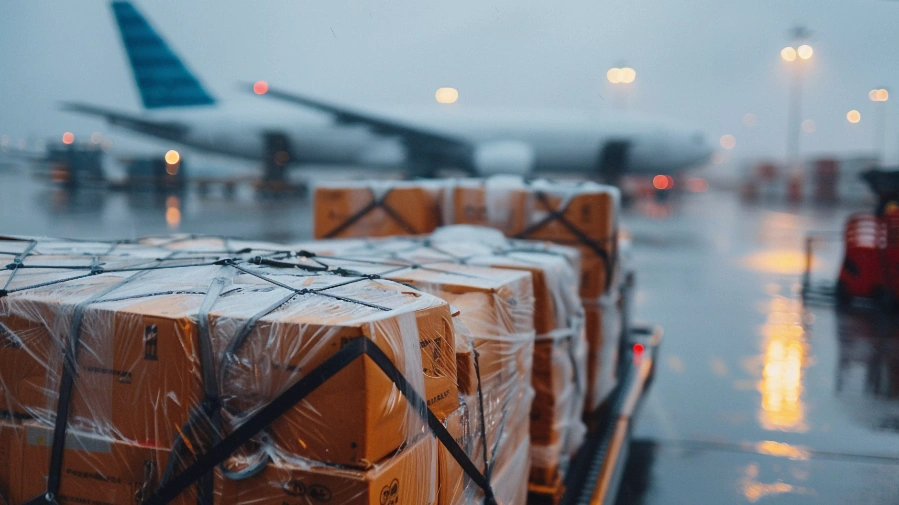
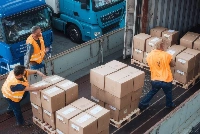
Cargo handling defines how shipments move through airport systems. Once cargo arrives at a terminal, it is processed, screened, and prepared for loading.
This includes:
- Documentation verification
- Security screening
- Weight and dimension checks
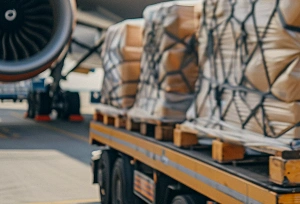
- Consolidation into aircraft units
A complete explanation of this process is available in
Air Cargo Handling Process
Handling continues across transit hubs and destination airports, where timing and coordination determine overall efficiency.
Documentation and Air Waybill
Air freight relies on structured documentation to maintain control and traceability across global logistics systems.
The most important document is the air waybill, which serves as:
- A contract of carriage
- A shipment receipt
- A tracking reference
To understand its structure and role, see
Air Waybill AWB Explained
Documentation must align across all stages of the shipment to avoid delays or compliance issues.
Choosing Between Air and Sea Freight
Air freight is often compared with sea freight, particularly when balancing speed and cost.
Key differences include:
- Air freight is faster but more expensive
- Sea freight offers higher capacity but longer transit times
- Decision-making depends on urgency, cargo type, and budget
For a full comparison, see
Air Freight vs Sea Freight
Choosing the correct transport mode is a strategic decision that affects the entire supply chain.
Common Mistakes in Air Freight
Many disruptions in air freight are caused by preventable errors rather than external factors.
Common issues include:
- Incorrect documentation
- Miscalculated weight and dimensions
- Poor packaging
- Lack of coordination
These mistakes lead to delays, additional charges, and operational inefficiencies.
A detailed breakdown is available in
Common Air Freight Mistakes
Avoiding these errors requires precision at every stage of the process.
Global Air Cargo System
Air freight operates through a global network of airlines, airports, and logistics providers. Major cargo hubs act as connection points, enabling shipments to move across continents efficiently.
This system is designed to balance:
Each shipment is routed through this network based on availability, demand, and operational constraints.
Conclusion
Air freight is not a single service but a structured system where every component—pricing, handling, documentation, and routing—works together to move cargo across global networks.
Understanding this system provides clarity on how decisions impact cost, timing, and reliability. When each stage is managed with accuracy and coordination, air freight operates as a predictable and efficient method of global cargo movement.